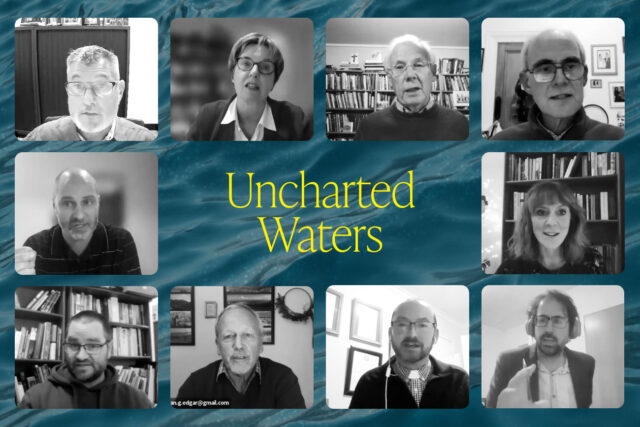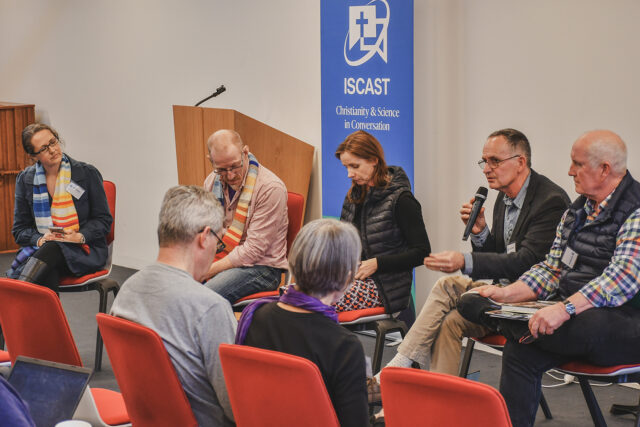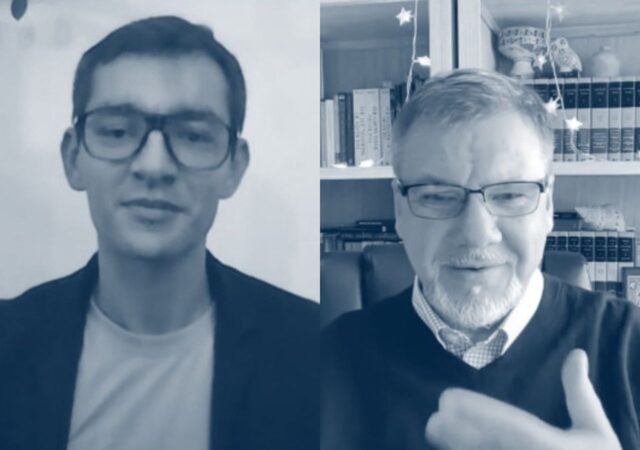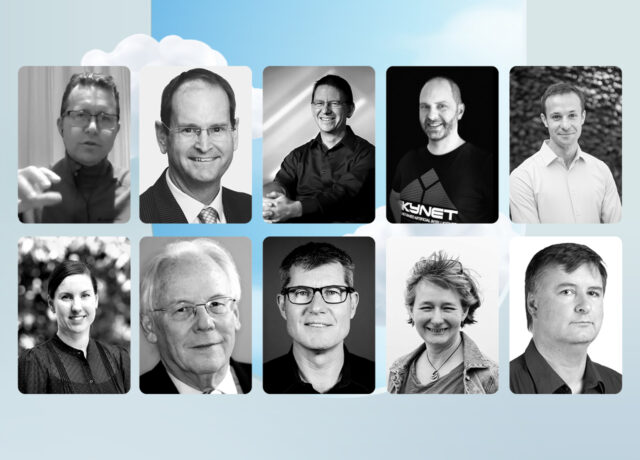
In this six-part series, the ISCAST–NZCIS Conversations brought together international biologists and theologians to highlight newer understandings of evolution and their repercussions for theology. Samuel McKee’s opening session is available for free on the ISCAST YouTube channel as a preview of the series. Click here to purchase access to the other five sessions of the series. Details on all the talks are below.
The Conversations
Christianity and Today’s Evolutionary Biology
Evolutionary biology has undergone a data revolution in the past decade, but not everyone has kept up. Samuel McKee surveys what today’s evolutionary biology looks like, examines why misinformation has taken hold among some Christians, and asks what a better path forward for theology and the sciences might be.
Evolution and Design: Beyond “Mere Compatibility”
Does evolution make it harder to see God’s wisdom in nature, or does life still “sing of its Creator” after Darwin? University of Helsinki lecturer Rope Kojonen suggests that evolution and the idea of design in nature need not be in conflict. But they also do not need to be harmonised purely based on faith.

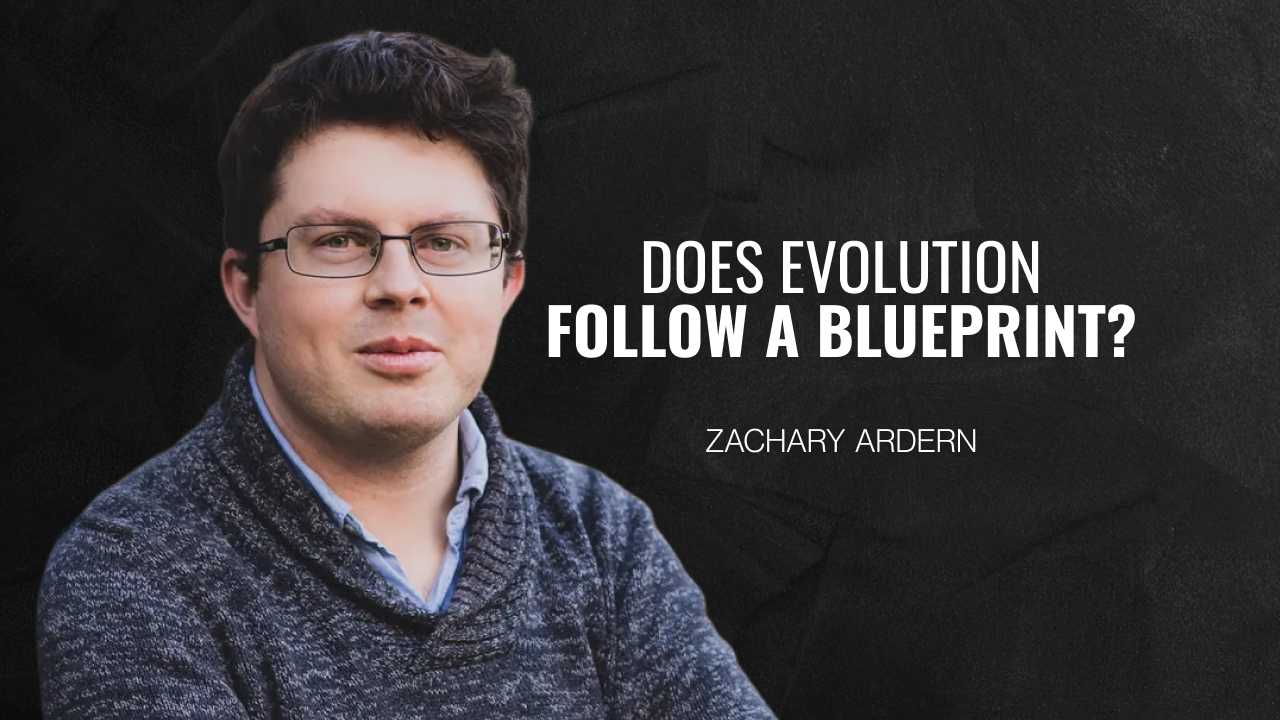
Does Evolution Follow a Blueprint?
Evolutionary biologist Zachary Ardern explores recent developments in evolutionary theory that reopen questions about whether life is shaped by more than chance mutation and natural selection, and what this means for re-engaging evolutionary biology with teleology.
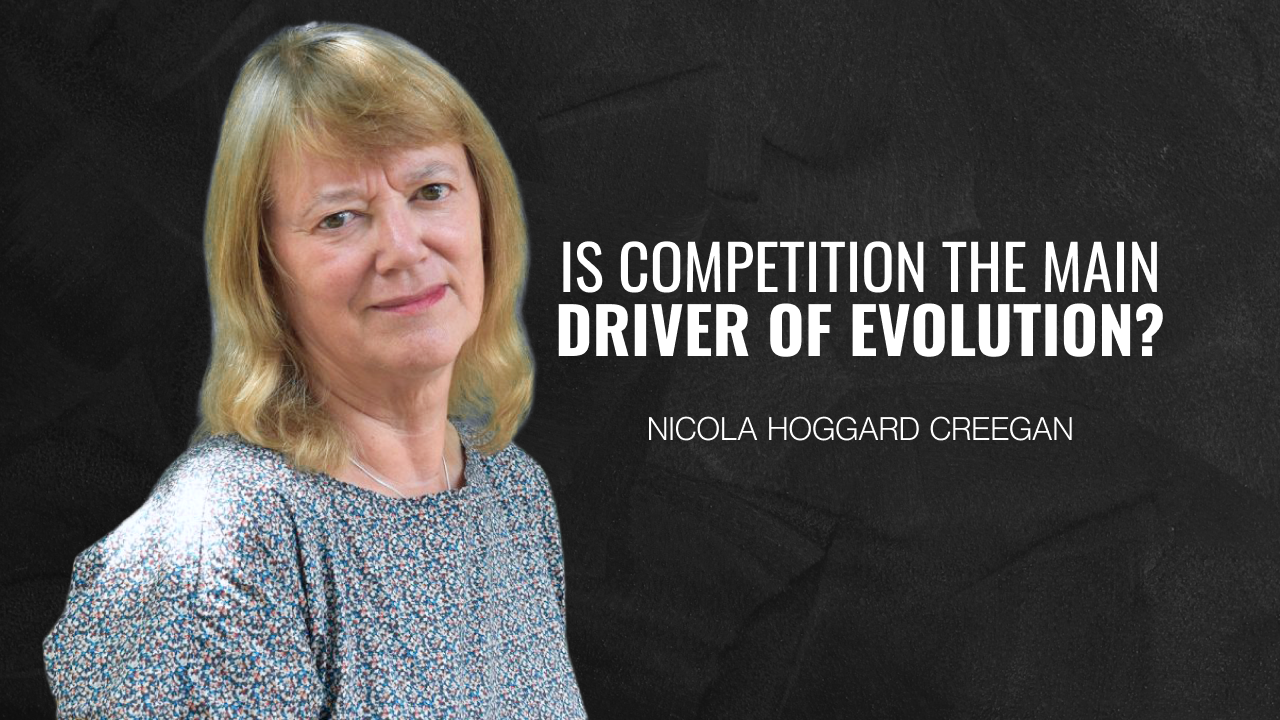
A Theological Reflection on Changes in Evolutionary Theory
Is competition the main driver of evolution? NZCIS director Nicola Hoggard Creegan traces recent shifts in evolutionary theory, from hidden evolutionary constraints to the role of altruism in mammals and reflects on what they mean for questions of purpose in creation.
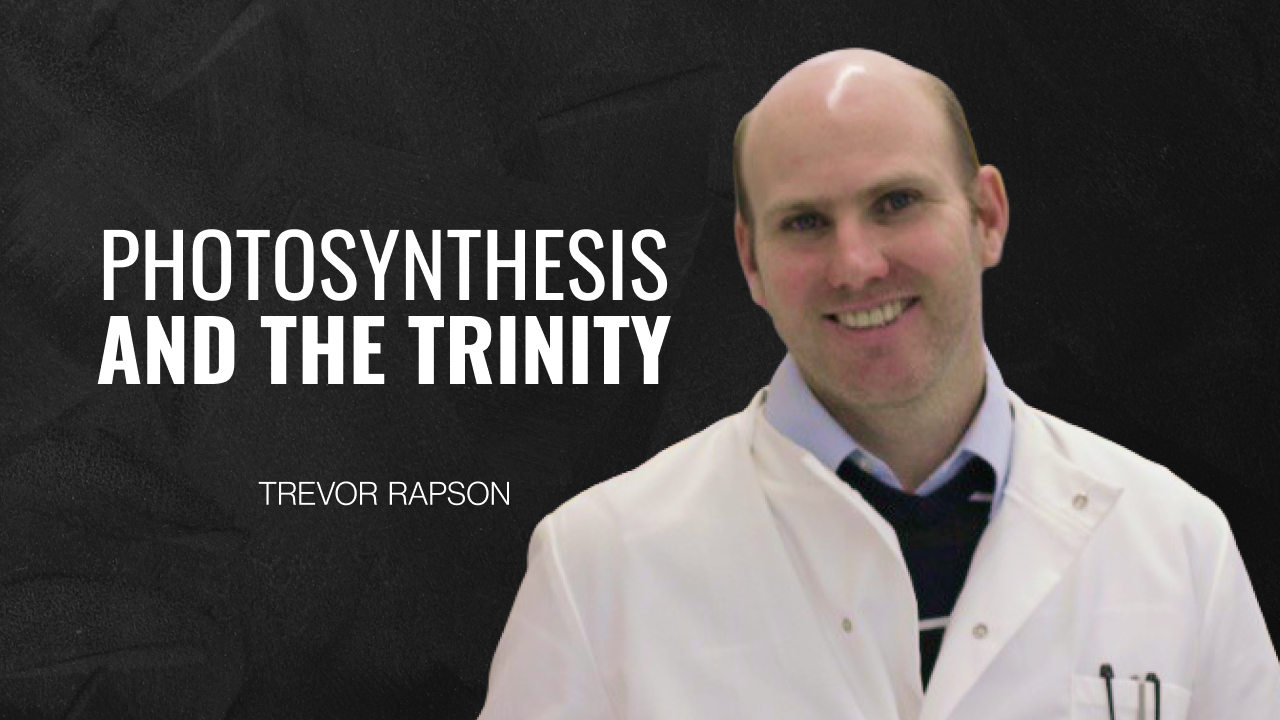
Examining Photosynthesis Through the Lens of Natural Theology
What does photosynthesis have to do with the doctrine of the Trinity? Photosystem II, the molecular engine at the heart of photosynthesis, sustains all complex life on Earth through its own continual destruction. CSIRO research scientist Trevor Rapson argues this paradox is not a design flaw but a fingerprint of the self-giving God who made it.
Does God Play Dice? Chance, Randomness and Evolution
One hundred years ago, Albert Einstein wrote to fellow physicist Max Born, “God is not playing at dice.” Was he right? A century on, scientists still reach for chance and randomness whenever they explain the natural world, but what are they really saying when they do? And does any of it shed light on the randomness we see in biology? Physicist Luke Barnes picks up Einstein’s famous line and asks whether the universe is playing a game of chance.